)
Jozani Forest Tour: Red Colobus Monkeys & Mangroves
Discover Zanzibar's only national park, home to the endangered red colobus monkey, ancient forests, and a unique mangrove ecosystem.


Overview
Jozani is Zanzibar's only national park. Most of the island is beaches and resorts. This is forest: mahogany and eucalyptus trees, actual wildlife, an ecosystem separate from tourism.
The main reason to come is the red colobus monkeys. They exist nowhere else on Earth. Only here, in this forest. Your guide knows where they gather. Usually you'll see them within the first hour - groups moving through the canopy, a mother with young, the distinctive red coat unmistakable.
After the forest walk, you move to the mangrove boardwalk - a raised wooden pathway through a completely different ecosystem. Tangled roots, tidal mud, crabs and birds and the actual mechanics of how mangroves protect Zanzibar's coastline. By the time you're done, you understand the island isn't just beaches.
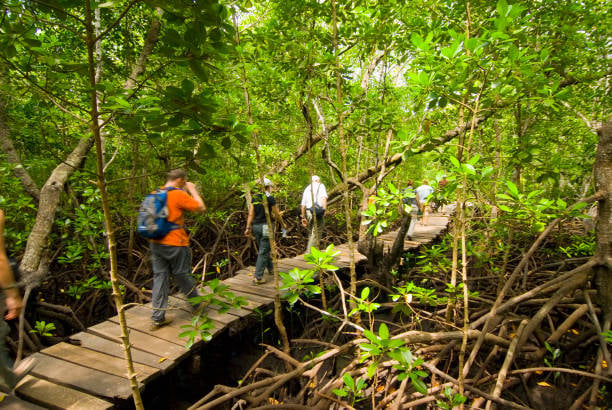
Tourists Walking on Boardwalk Through Mangrove Swamp
Your Day
Morning: The Forest
You enter the forest with a certified local guide. Within minutes, the atmosphere changes. Temperature drops under the thick canopy. City noise disappears. Your guide knows the forest - where the monkeys typically gather, which trails are best today, what else you might encounter.
The red colobus monkeys are the main attraction, but they're not alone. Depending on the day and season, you might see Sykes' monkeys, blue monkeys, bush babies, kingfishers, chameleons, giant millipedes. The forest has layers. Your guide explains the ecosystem - why these trees grow here, how the soil works, which plants are medicinal.
Photography is good here. The monkeys are relaxed enough to observe naturally. A zoom lens helps, but smartphone cameras work fine. Just respect the wildlife: no flash photography, no feeding, no touching.
By midway through the walk, you've spent an hour in the forest. You've seen monkeys behaving as monkeys do: grooming, playing, feeding, leaping between branches. You understand why this place matters for conservation.
Afternoon: The Mangrove Boardwalk
After the forest, you transition to a completely different ecosystem: the Pete-Jozani Mangrove Boardwalk. A raised wooden walkway leads through tangled roots rising from tidal mud below.
Mangroves are extraordinary. Their root systems protect Zanzibar's coastline from erosion. They provide breeding grounds for fish species. They create nurseries for crabs, birds, and other wildlife. Walking quietly along the boardwalk, you see crabs scuttling through roots, birds nesting in branches, the complexity of an ecosystem most tourists never encounter.
It's peaceful. A contrast to the forest energy. The boardwalk keeps you out of the mud while letting you see the system up close. By the time you're done, you understand that Zanzibar's beauty isn't just beaches - it's these hidden ecosystems that make the island actually function.
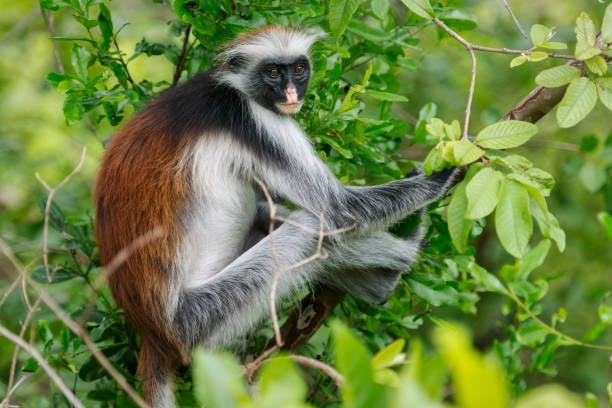
Zanzibar Red Colobus monkeys, Piliocolobus kirkii, in Jozani Forest on Zanzibar island
Pricing
| TICKET TYPE | PRICE PER PERSON |
|---|---|
| Adult (16+ years) | $60 |
| Youth (6–15 years) | $45 |
| Child (3–5 years) | $30 |
Half-day tour (2-3 hours). Hotel transfers arranged based on your location.
What's Included
Entry to Jozani-Chwaka Bay National Park
Certified local guide (naturalist)
Forest walk with wildlife observation
Mangrove boardwalk visit
Hotel pickup/drop-off (arranged based on location)
Not included: Food and drinks. Personal purchases or souvenirs.
Logistics: What You Need to Know
Duration: 2–3 hours forest time
Start Time: Typically 8:00 AM or 9:00 AM from your hotel
Return Time: Around 11:00 AM or 12:00 PM back in town
Physical Demand: Low. Forest trails are easy. Boardwalk is flat and raised.
Group Size: 8 people maximum
Best For: Wildlife lovers, photographers, families with kids 4+, nature enthusiasts
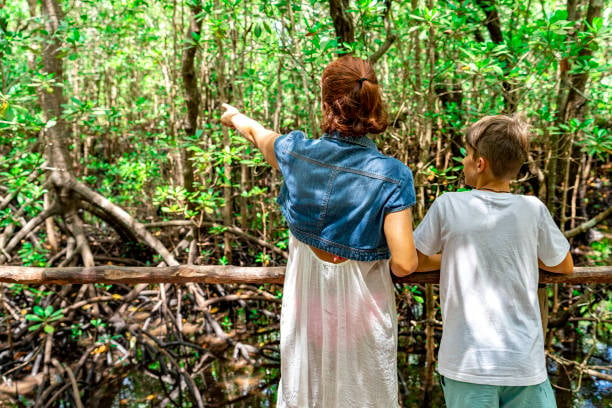
Mother and son admiring mangrove forest, Jozani National Park, Zanzibar.
What to Bring
Comfortable closed-toe shoes (better grip than flip-flops on forest trails)
Sun protection: hat, sunglasses, sunscreen
A camera or phone for wildlife photos
Patience (wildlife sightings aren't guaranteed, but the forest is always worth it)
Who This Tour Works For
Do this if: You want authentic nature, not curated attractions. You're interested in wildlife and conservation. You like walking at a slow pace. You want to experience something unique to Zanzibar. You're traveling with kids who like nature. You want something different from beaches and resorts.
Skip it if: You need guaranteed wildlife sightings (nature doesn't work that way). You have mobility issues (trails are generally easy, but uneven). You're uncomfortable in forests. You prefer structured, predictable experiences.
Frequently Asked Questions (FAQ)
Is Jozani Forest good for kids?
Absolutely! Children generally find the Red Colobus monkeys fascinating. The walk is not strenuous, and the boardwalk is safe. It is one of the most family-friendly activities in Zanzibar.
How long does the tour take?
Expect to spend between 2 and 3 hours in the park. This leaves you plenty of time for a leisurely lunch or to continue your journey to Stone Town or the beach.
Is the tour ethical?
Yes. The park fees contribute directly to the conservation of the forest and the protection of the monkeys. We follow "Leave No Trace" principles and maintain a respectful distance from the wildlife to ensure their health and safety.
When is the best time to visit?
The morning (between 9:00 AM and 11:00 AM) is ideal as the monkeys are most active then. However, the forest remains cool even in the afternoon heat.