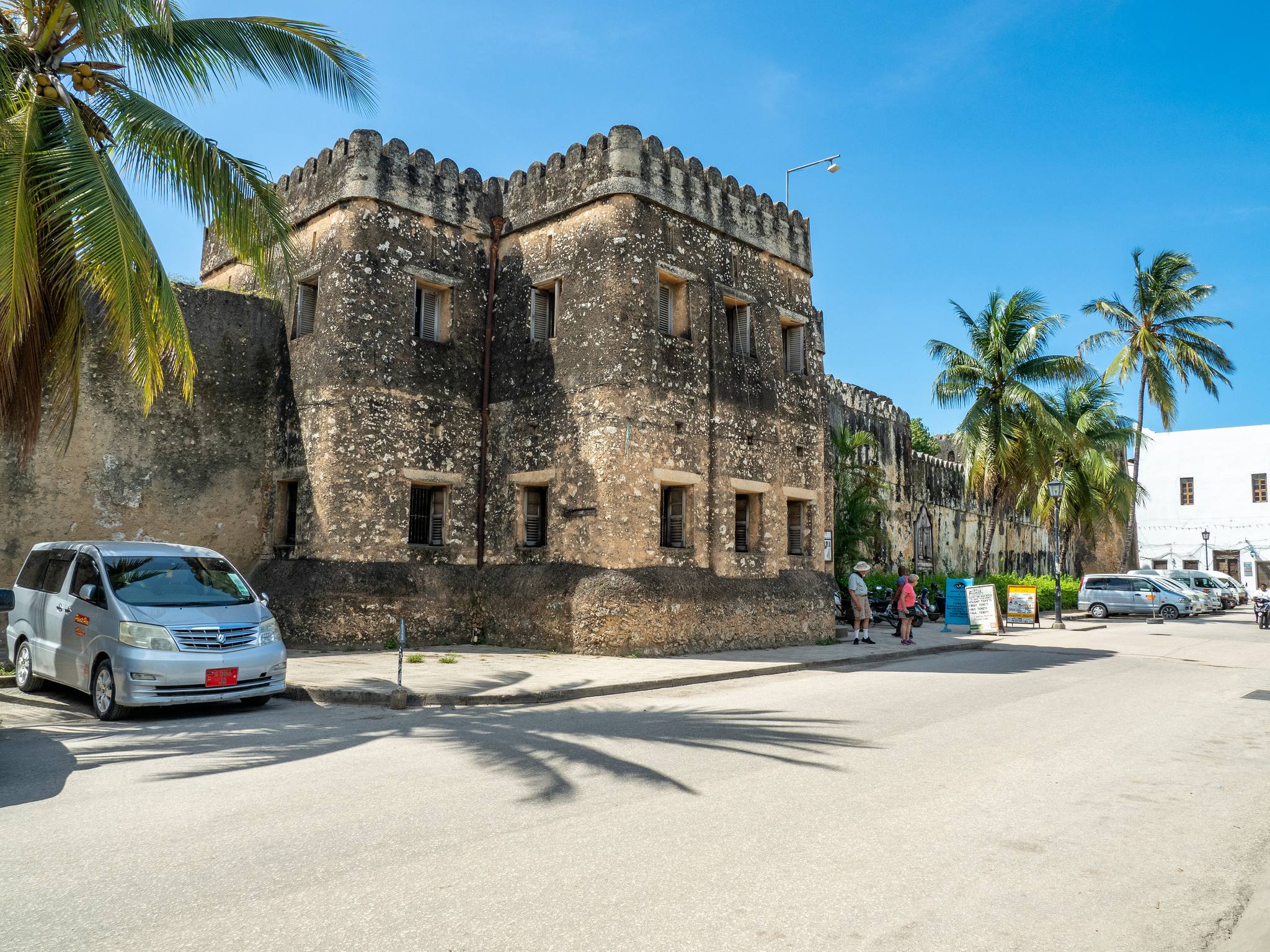
)
Zanzibar Spice Tour: Visit a Real Working Farm & Cook with a Local Family


Your hands smell like cinnamon before noon. You're standing under a clove tree, picking leaves, learning how long cloves take to dry, understanding why traders crossed the ocean for these plants. Your guide hands you black pepper still on the vine. It tastes completely different from what you've known your whole life.
By midday, you're in a local family's kitchen. Not a cooking school. A kitchen where people actually cook. You're preparing pilau rice, coconut curry, chapati - learning which spices layer with which, tasting the discipline of Zanzibari cooking. The family works alongside you, offering correction without judgment, laughing when you add too much salt.
You sit together to eat what you've made. The conversation is simple. The food tastes like real work and real care. This is the spice tour that isn't about tourism - it's about spending a morning on a working farm, then a kitchen, then lunch. All in four hours.
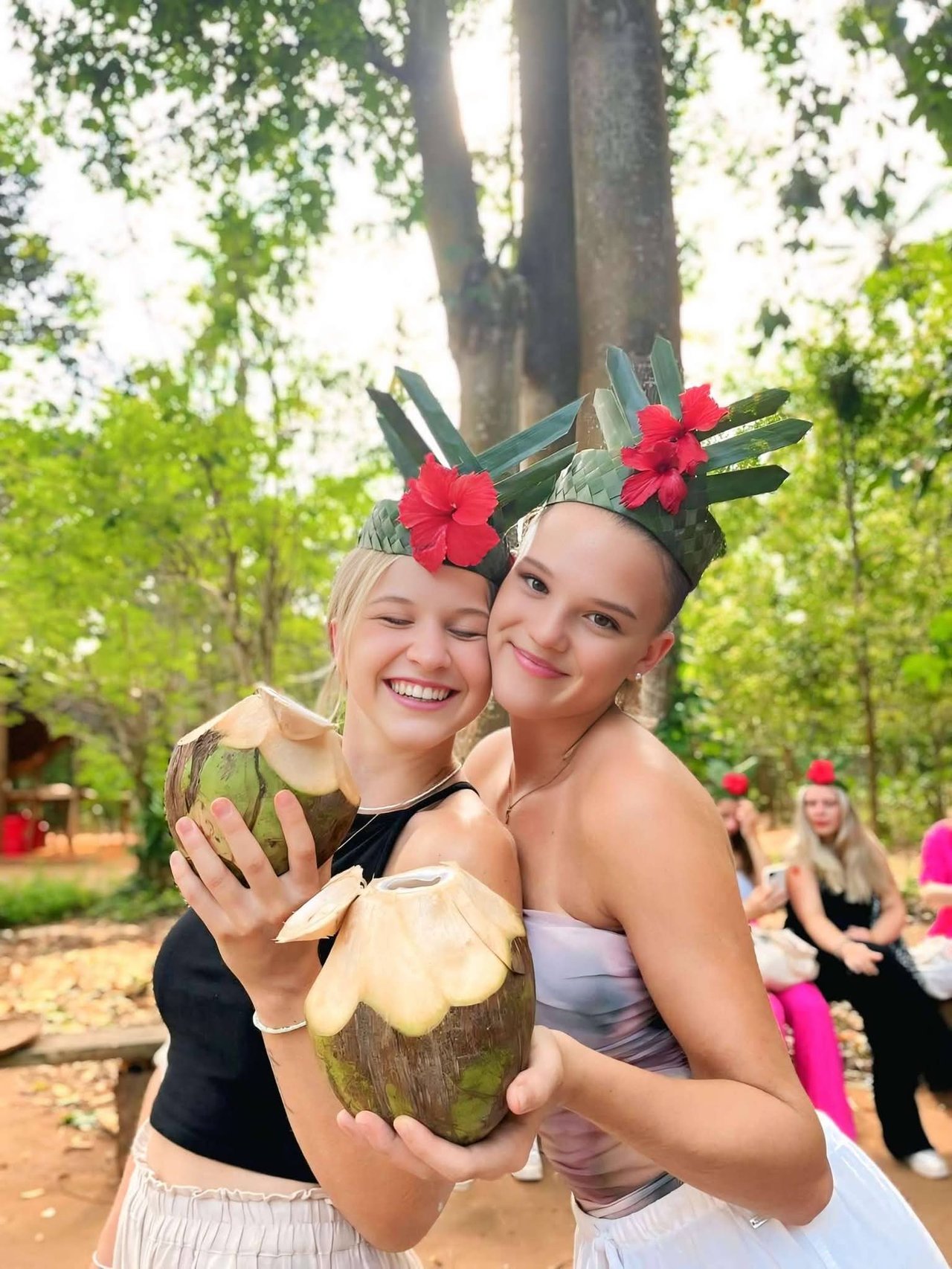
Why This Farm, Not Others
Zanzibar has spice farms. Some are demonstration gardens built specifically for tourists - paths cleared, plants labeled, guides ready with rehearsed facts. They're fine. You see spices. You learn something.
This is different. It's a real working farm where farming is the actual livelihood, not a side business. The spices you see are harvested, dried, and sold to markets. Used by families. Not displayed for photographs.
You're not watching actors. You're learning from people who've grown these plants for generations. That's the difference. One is tourism. The other is work you're invited into temporarily.
The cooking class isn't in a restaurant kitchen. It's in a family's home, with their stove, their pots, their ingredients. You're learning how spices are actually used in everyday life, not in a food demonstration.
Your Morning: The Farm
The morning starts early enough to reach the farm by 9:00 AM. Your guide explains what you're about to see: the soil, the climate, why certain plants grow here. Not generic information - specific knowledge about this particular land.
You walk beneath clove trees. Your guide picks leaves, hands them to you. Fresh cloves smell sharp and alive - completely different from the dried versions in supermarket jars. The distinction matters. It's the difference between knowing something intellectually and understanding it in your hands.
You taste black pepper directly from the vine. Taste vanilla still attached to orchid flowers. Smell cinnamon bark before it's dried. Pick lemongrass and rub it between your fingers, releasing the oil and smell.
Tropical fruits are picked fresh: mango, papaya, coconut. Your guide explains which are seasonal, which are year-round, how families use them beyond just eating.
This sensory work is the entire point. You leave with your clothes smelling like spices and your hands stained with earth. That's not accidental. That's the real experience of spice farming.
Your Afternoon: The Kitchen
By midday, you move to a local family's kitchen. The space is modest. The equipment is simple: a stove, pots, utensils. This isn't a professional kitchen. It's where a family cooks their daily meals.
You and your group prepare up to four dishes together. Depending on the season and what's available, this might include:
Pilau rice (spiced rice with meat or vegetables)
Coconut bean curry
Chapati (flatbread)
Fresh vegetable dishes
Traditional sauces
The family teaches. You follow instructions, ask questions, make mistakes. There's no formal lesson plan. It's collaborative cooking. The family member tastes what you've made, offers correction: "More turmeric here. The salt is good now."
The work is real. You're not observing - you're doing. Your hands get tired. The heat from the stove builds. By the time lunch is ready, you understand the actual labor of cooking this way.
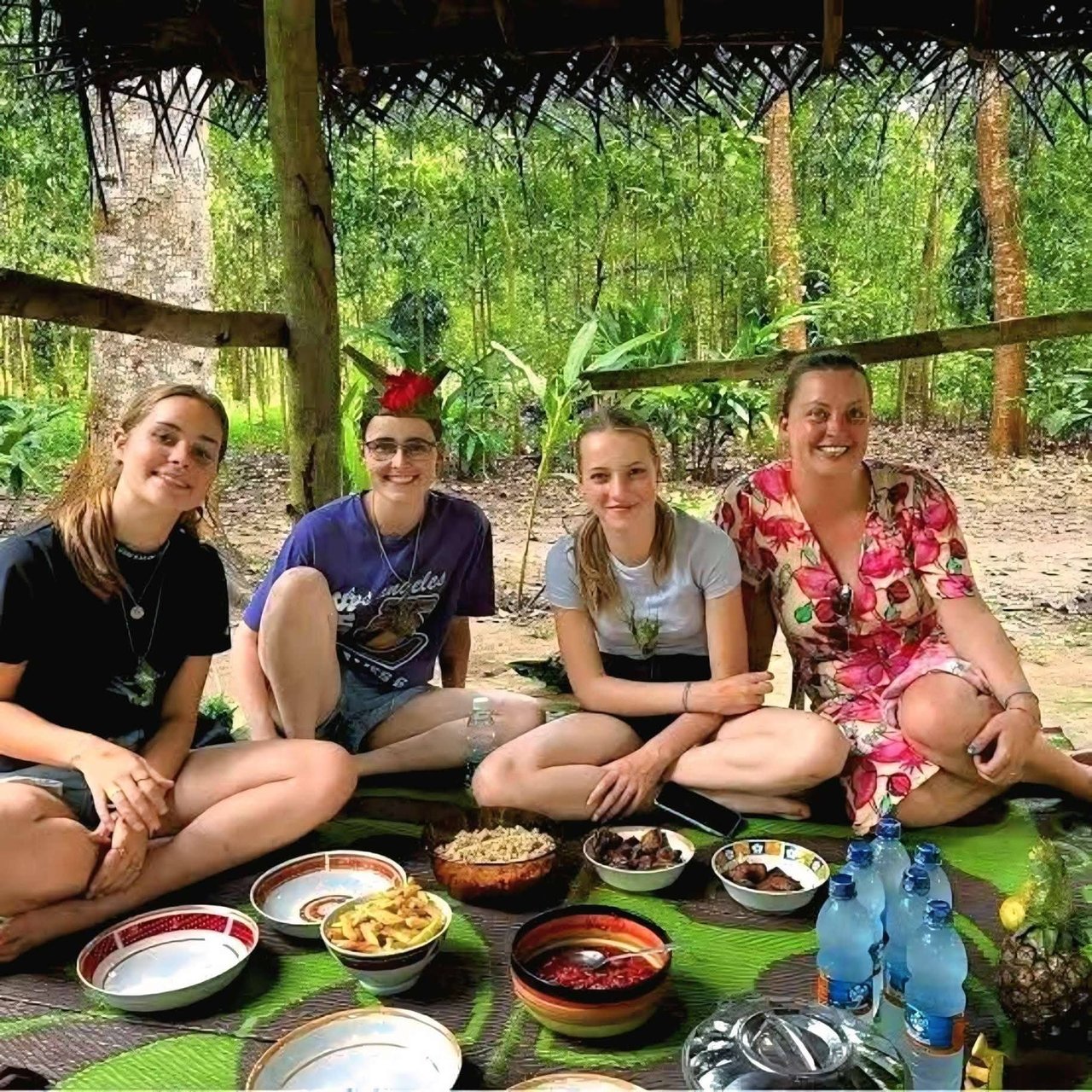
Everyone sits together to eat. The conversation flows between Swahili and English. You eat food you made, tasting your own work. For most visitors, this meal becomes the favorite memory of the day - not because the food is extraordinary, but because you made it and then shared it with the people who taught you.
Pricing
| TICKET TYPE | PRICE PER PERSON |
|---|---|
| Adult (16+ years) | $50 |
| Youth (6 –15 years) | $35 |
| Child (3 - 5) |
Half-day tour includes lunch. Hotel transfers arranged based on location.
What's Included
Guided tour of a real working spice farm
Fresh spice and tropical fruit tasting
Hands-on cooking class (up to 4 traditional dishes)
Lunch with a local family (what you've cooked)
Spice samples to take home
Coffee or tea
Not included: Hotel transfers (arranged separately based on your location). Alcoholic drinks
What to Bring
Comfortable walking shoes (farm paths are uneven)
Light, breathable clothing (you'll be standing over a stove)
Sun protection: hat, sunglasses, sunscreen
A small bag for spice samples to take home
Willingness to get your hands dirty (literally)
Who This Tour Works For
Do this if: You're interested in food and how it's actually prepared. You want to meet local people and spend time with them. You like hands-on activities. You don't mind a bit of physical work (standing, stirring, chopping). You want a genuine cultural experience, not a performance.
Skip it if: You have mobility issues (farm paths are uneven). You're uncomfortable in kitchens. You need constant structure and don't enjoy surprises. You want a longer experience (this is 4 hours).