)
Mount Kilimanjaro Rainforest Hike
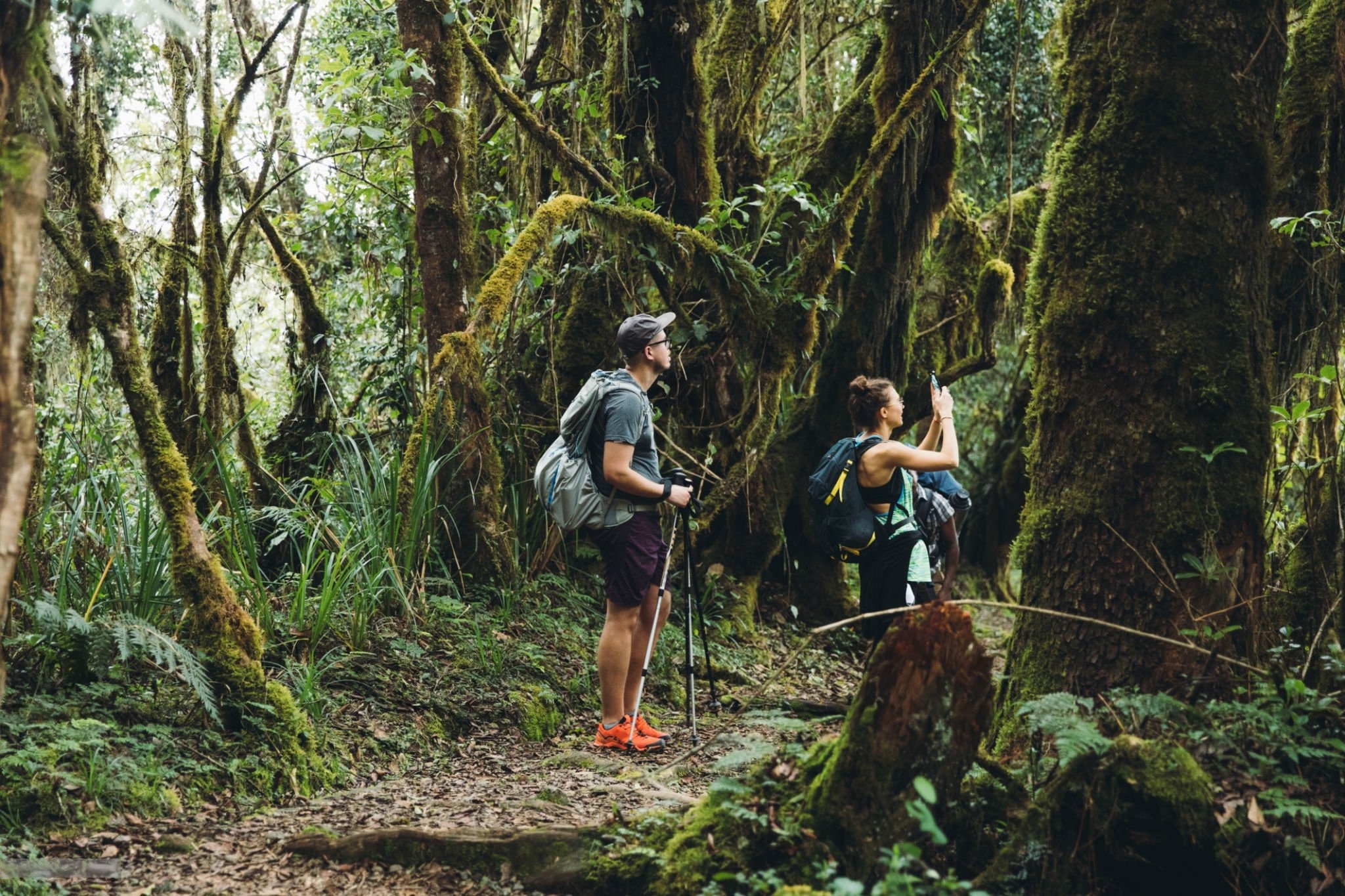
You don't need to climb Kilimanjaro's full 5,895 meters to experience it. The Sneak Peek of the Peak day hike takes the Marangu Route from the base up to Mandara Hut - a rainforest trek through moss-draped trees, blue monkeys, and colobus. You gain 915 meters in elevation, eat lunch at the hut, hike to Maundi Crater for views across to Mawenzi Peak, then descend back to Marangu Gate.
It's a real mountain hike, not a tourist walk. The rainforest is dense and alive - you'll hear colobus calls, see mongoose darting across the path, and feel Kilimanjaro's presence above the canopy. Most people can do this hike, even those with moderate fitness. The reward is lunch at 2,743 meters, views of the second-highest peak in Tanzania, and the satisfaction of saying you hiked Kilimanjaro - without committing to five days on the mountain.
Best done early in your stay in Moshi. The rainforest is coolest in early morning. By afternoon, you're back in town recovering with a cold drink.
Why This Hike Works
This is Kilimanjaro without the expedition. A real mountain experience in one day. The Marangu Route is the oldest, most established path - well-maintained, clear, and manageable. The rainforest is lush, actively alive (wildlife, birds, insects), and completely different from Moshi's lowland landscape. By noon you're 900 meters higher, eating lunch with a view. By 3:00 PM you're back drinking tea.
The day hike attracts a mix: post-climbers doing an easy recovery walk, visitors who want mountain experience without time commitment, people interested in the rainforest ecosystem. The hike respects everyone's fitness level - you walk your own pace. Some finish in 5 hours, others take 7. There's no schedule pressure.
Your Full Day
Early Morning: Pickup & Drive (6:30 AM–8:00 AM)
Pickup from your Moshi hotel around 6:30 AM. Drive to Marangu Gate (about 1 hour away). The scenery starts immediately - coffee and banana plantations, Kilimanjaro rising above the trees. Pass through the charming Marangu village. Arrive at Marangu Gate, register, and begin the hike by 8:00–8:30 AM. Registration is standard (national park protocol) - your guide handles paperwork.
Morning: Rainforest Trek to Mandara Hut (8:30 AM–11:30 AM)
The path narrows immediately as you enter the rainforest. It's lush, gloomy, cool. Moss drapes the trees. The air changes - thick, humid, alive. Your guide points out colobus monkeys (their distinctive calls echo through the canopy), blue monkeys (smaller, more agile), moss, ancient trees. You might see mongoose or other small mammals. The path is steep but manageable -switchbacks help. Take breaks when you need them. Pace is slow and steady, not rushed.
The hike to Mandara Hut takes about 3 hours. Most people find it moderately challenging - your legs work, your lungs work, but it's doable. By mid-morning you're 900 meters higher, sweating, and alive.
Midday: Lunch & Rest at Mandara Hut (11:30 AM–1:00 PM)
Arrive at Mandara Hut (2,743m), a simple mountain shelter. Lunch is served - typically rice, beans, vegetables, salad, fruit. Eat slowly. Rest in shade. Use the hut facilities. Drink water (bring extra, or your guide carries it). The hut sits above the rainforest canopy, so views open up. On clear days you see across toward Kenya. This break is restorative - sit, eat, look at the mountain, let your legs recover.
Afternoon: Maundi Crater Loop (1:00 PM–2:30 PM)
After lunch, a shorter but steep walk to Maundi Crater (a small volcanic crater with a pond). The path is more open here - you're above the dense rainforest. Views to the east across Taveta (Kenya border) and northwest to Mawenzi Peak (Kilimanjaro's second-highest summit, 5,149m) are spectacular on clear days. Spend 30–45 minutes here. Take photos. Absorb the mountain landscape. Then descend back to Mandara Hut.
Late Afternoon: Descent to Marangu Gate (2:30 PM–4:30 PM)
The return hike follows the same path downhill. Descent is easier on joints than ascent, but can be harder on knees. Watch your footing on steep sections. The rainforest is the same but different on the way down - you're tired, more aware of your body, but the satisfaction of altitude gained builds. By 4:00–4:30 PM you're back at Marangu Gate. Meet your vehicle and drive back to Moshi (arrive around 5:30–6:00 PM).
Logistics: What You Need to Know
Duration: Full day, 7–8 hours including drive time and lunch
Start time: 6:30–7:00 AM pickup from hotel
Distance: Marangu Gate to Mandara Hut, ~5 km hiking each way
Elevation gain: 915 meters (1,800m to 2,743m)
Physical demand: Moderate. Steep at times. Requires reasonable fitness. Most people manage it.
Best for: People with moderate fitness, post-Kilimanjaro climbers, mountain enthusiasts, anyone wanting real Kilimanjaro experience in one day
What to Bring
Sturdy, broken-in hiking boots (not new - they'll hurt)
Thick hiking socks (prevent blisters)
Moisture-wicking layers (start cool, get warm as you hike)
Rain jacket or poncho (rainforest is wet, even without rain)
Hat and sunglasses (sun at higher elevation is intense)
Sunscreen (SPF 50+, reapply often)
Extra water bottle or hydration pack (3+ liters capacity)
Snacks: energy bars, nuts, chocolate, dried fruit (bring more than you think you'll eat)
Camera (for views, wildlife, memories)
Insect repellent (especially for rainforest sections)
Blister treatment (band-aids, blister tape, pain relief)
Who This Tour Works For
Do this if: You want Kilimanjaro experience without committing to a 5-day climb. You're moderately fit (can hike for 3 hours with breaks). You're interested in the rainforest ecosystem. You want lunch at 2,743 meters and Mawenzi Peak views. You've already climbed Kilimanjaro and want an easy recovery walk. You're curious about the mountain but short on time.
Skip it if: You have very low fitness (this is a real hike, not a walk). You're recovering from an injury or altitude sickness. You need leisurely pace without any physical demand. You expect an easy day - even moderate hikers should expect work and sweating. You're claustrophobic about rainforests (the canopy is dense and the path is narrow).
Included in price
All-terrain vehicle with driver (Marangu Gate transfers)
Professional mountain guide (experienced in Marangu Route)
Mount Kilimanjaro National Park entrance fees
Lunch at Mandara Hut
Drinking water during hike
Not included: Extra snacks, energy drinks, porter service, tips for guide.
Frequently asked questions
How hard is this hike? Can I do it if I'm not very fit?
Moderate difficulty. The elevation gain (915m) and steep sections require reasonable fitness. If you can walk briskly for 30 minutes without stopping, you can do this. If you're sedentary or recovering from injury, it may be challenging. The hike is doable at your own pace - no time limits. Rest whenever you need. Most people manage it, even those who think they're "not hikers."
Is the rainforest slippery or dangerous? What about insects and snakes?
The path is muddy and slippery at times (especially after rain), but well-trodden and clear. Wear proper hiking boots with grip. Snakes are rarely encountered and avoid humans. Insects (mosquitoes, flies, ants) are present but not dangerous. Wear long sleeves and bring insect repellent. The rainforest feels wild and alive, but it's not dangerous - just respect it and stay on the path.
What's the altitude? Will I get altitude sickness on a day hike?
Highest point: Mandara Hut at 2,743m (about 9,000 feet). Altitude sickness (AMS) is rare at this elevation on a day hike because you ascend gradually and don't spend the night. If you've never been above 2,500m before, you might feel slightly breathless, but it passes. If you're concerned, discuss with your guide. Drink water, pace yourself, and acclimatize as you hike.
What's the weather like? Do I need rain gear?
Rainforest is wet and cool year-round. Bring a rain jacket or poncho even if the forecast says clear. Mist, light rain, or afternoon showers are common. Morning (when you hike up) is cooler, 15–18°C. Midday at the hut: 18–20°C. It's not cold, but it's cool and damp. Layers work best - adjust as you climb and work harder.
Can we see wildlife? Will we spot Kilimanjaro's full peak?
Yes, wildlife: colobus monkeys (their calls echo through forest), blue monkeys, mongoose, birds. Visibility depends on weather. On clear mornings you see Kilimanjaro's peak from Marangu Gate and glimpses from the hike. From Maundi Crater, views open - you see across to Mawenzi Peak (5,149m) clearly on good days. Full peak visibility varies with weather, but the mountain is always present. Bring a camera just in case.
More tours to explore
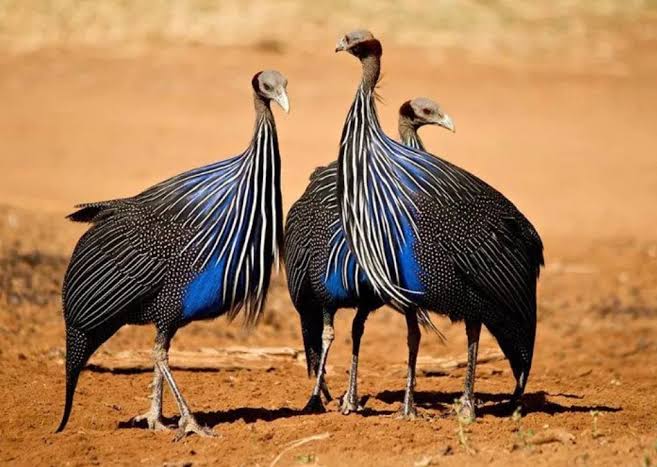
Mkomazi National Park sits on the border between Tanzania and Kenya, 190 kilometers from Arusha. It's one of Africa's richest savannahs and a vital refuge for two highly…
- Hotel pickup and drop-off (Arusha or Moshi)
- All-terrain game drive vehicle with open roof for wildlife viewing
- Professional wildlife guide (experienced in rare species)
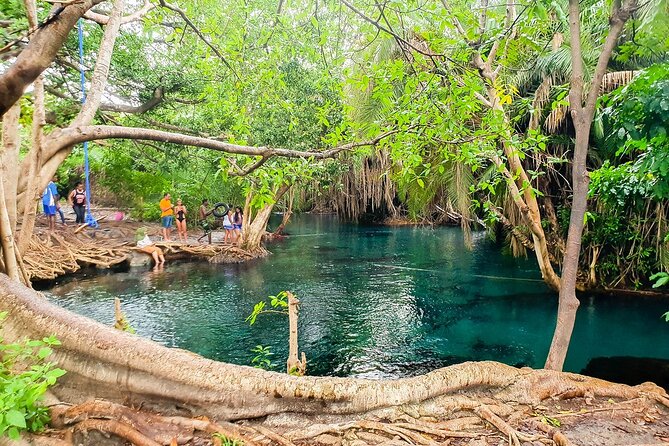
Kikuletwa Hot Springs sits in the middle of African bush - a geothermal oasis where crystal-clear turquoise water stays warm year-round. No resorts. No crowds. Just an off-road…
- Hotel pickup and drop-off (Arusha or Moshi area)
- English-speaking guide and driver
- Vehicle with off-road capability
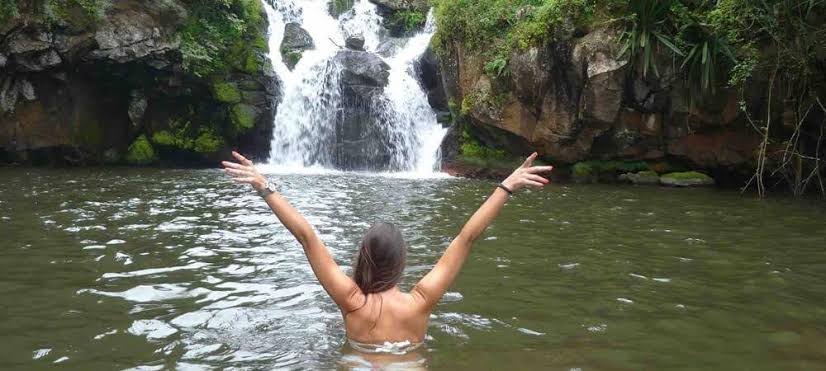
Materuni village sits at the base of Kilimanjaro, 15 kilometers from Moshi. An 80-meter waterfall drops from the forest canopy into a natural pool. After trekking there and…
- Local English-speaking guide (knowledgeable about village and waterfall)
- Waterfall trek (round trip, 40 minutes each way)
- Village entrance fees