)
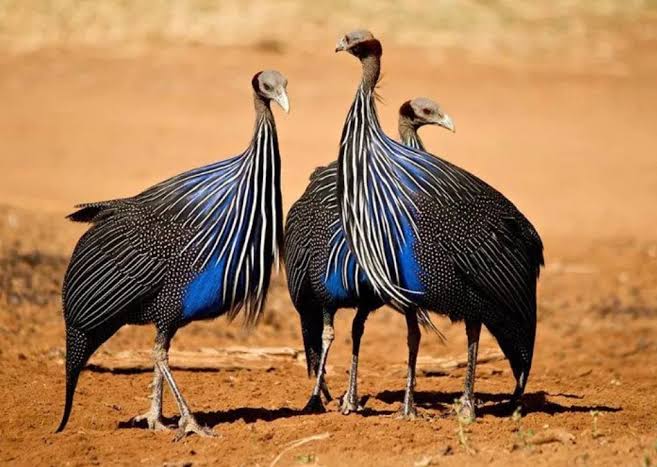
Mkomazi National Park Day Safari
Mkomazi National Park sits on the border between Tanzania and Kenya, 190 kilometers from Arusha. It's one of Africa's richest savannahs and a vital refuge for two highly endangered species: the black rhino and the African wild dog. Both were successfully reintroduced in the 1990s. The black rhino population lives in a fenced sanctuary - a breeding program that protects one of Africa's rarest animals.
A full-day game drive covers Mkomazi's vast grasslands. You'll spot oryx, gerenuk, lions, leopards, elephants, buffalo, and countless bird species. The landscape is sparse, dramatic, and genuinely wild. Few tourists visit compared to the northern circuit's famous parks - which means fewer vehicles, more wildlife, and a real sense of African wilderness.
This is for wildlife enthusiasts who want rarity over crowds. It's also ideal for post-Kilimanjaro climbers with extra days - Mkomazi offers a different experience than the safari circuit.
Your Full Day
Morning: Pickup & Drive to Park (2–3 hours)
Early morning pickup from Arusha or Moshi. Drive through villages and farmland toward the park entrance. Depending on traffic and weather, the drive is 2–3 hours. You'll pass local communities and see daily Tanzania life. By mid-morning, you arrive at the Mkomazi gate.
Mid-Morning to Midday: First Game Drive (3–4 hours)
Game drive begins immediately upon entry. Your guide scans the grasslands for movement. You'll see large herds of oryx and gerenuk (both endemic to this region). Lions, leopards, and elephants are possible. Buffalo and giraffe are common. Bird watchers get extensive opportunities - raptors, ground birds, water birds depending on season.
The driving is patient. Stop when wildlife appears. Your guide explains behavior, ecology, conservation status. This isn't rushed tourism - it's genuine wildlife observation.
Midday: Lunch Break (1 hour)
Picnic lunch at a designated site in the park. Food is packed from your hotel (typical: sandwiches, fruit, drinks, snacks). Eat while watching the landscape. Facilities are minimal - bring sunscreen, water, a hat. Use this time to rest and hydrate.
Afternoon: Second Game Drive & Rhino Sanctuary (2–3 hours)
Afternoon game drive covers different areas. Wildlife behavior changes with heat and time of day. Some animals rest midday; others become active in evening light. A visit to the Nkomazi Rhino Sanctuary can be arranged (extra cost: $30–50 per person). You learn about the black rhino reintroduction program, breeding success, anti-poaching efforts, and ongoing conservation.
The rhino sanctuary is worth it if you're interested in conservation stories. You won't necessarily see rhinos outside the sanctuary (they're rare, carefully protected), but inside the fenced area you have better chances.
Late Afternoon: Return Drive (2–3 hours)
Around 4:30 PM, depart Mkomazi. Drive back to Arusha or Moshi. You arrive around 7:00–8:00 PM, tired and full of wildlife stories.
Logistics: What You Need to Know
Duration: Full day, 8–10 hours including drive time
Start time: 6:30 AM–7:00 AM pickup from hotel
Distance: 120 km from Moshi, 190 km from Arusha
Park elevation: 250–800m (lowland savannah, hot during day)
Physical demand: Low. Sitting in vehicle most of day. Rough roads require comfort with bumpy driving.
Best for: Wildlife enthusiasts, photographers, bird watchers, post-Kilimanjaro visitors, conservation-minded travelers
What to Bring
Binoculars (essential for wildlife viewing—you'll spot animals far away)
Camera or telephoto lens (for wildlife photography)
Sun protection: hat, sunglasses, sunscreen (SPF 50+, reapply often)
Light, breathable, long-sleeved clothing (sun protection and insect protection)
Closed-toe shoes (better for rough game drive roads)
Extra water bottle (bring more than you think you'll need)
Insect repellent (especially for dawn/dusk)
Small notebook for wildlife sightings (many visitors track what they see)
Who This Tour Works For
Do this if: You're a serious wildlife enthusiast. You want endangered species and rare animals. You prefer fewer tourists and real wilderness. You've just climbed Kilimanjaro and want a different experience. You're interested in conservation and breeding programs. You like patient observation over rushed itineraries. You have binoculars and a good camera.
Skip it if: You expect guaranteed big cat sightings (wildlife is unpredictable). You need luxury lodge facilities (accommodations here are basic). You want a quick safari afternoon (this is a full-day commitment). You get uncomfortable with bumpy roads or long drives. You're not interested in conservation stories.
Included in price
Hotel pickup and drop-off (Arusha or Moshi)
All-terrain game drive vehicle with open roof for wildlife viewing
Professional wildlife guide (experienced in rare species)
Mkomazi National Park entrance fees
Full-day game drives (two sessions, morning and afternoon)
Picnic lunch (packed from hotel)
Bottled water during game drives
Not included: Rhino Sanctuary ($30–50 extra), alcoholic beverages, tips for guide.
Frequently asked questions
How long is the drive from Arusha/Moshi? Is it worth the distance?
From Moshi: 120 km, ~2 hours. From Arusha: 190 km, ~3 hours. Yes, worth it. The distance keeps crowds away - fewer vehicles means better wildlife viewing and a genuine wilderness feeling. If you've done Serengeti or Masai Mara, Mkomazi feels different: sparse, untamed, real. The rarity of visitors is the point.
What about lunch and facilities in the park?
Lunch is a picnic (packed from your hotel). Facilities in the park are minimal - no restaurants or lodges. Bring extra water, snacks, sunscreen, a hat. Use lunch break to rest in shade. Bathroom facilities are basic. This is a genuine safari experience, not a resort experience. Come prepared for rustic conditions.
What's the best time of year to visit Mkomazi?
June–October (dry season): Best visibility, clearest skies, animals cluster around water sources, roads are passable. December–February: Warm, generally dry. April–May (rainy season): Heavy rain, roads can be muddy, fewer tourists, but lush landscape. Any season works, but June–October offers best wildlife viewing and comfortable conditions.
Is this suitable for families with kids? How bumpy is the drive?
Ages 8+ yes. Younger kids can struggle with long drives and bumpy roads. The game drive vehicle has springs but roads are rough - expect bouncing and vibration for 6+ hours of driving. Kids who love animals and can sit still handle it well. If you have very young kids or anyone with back/motion issues, chat with us about comfort level. This isn't a smooth safari - it's authentic bush driving.
More tours to explore
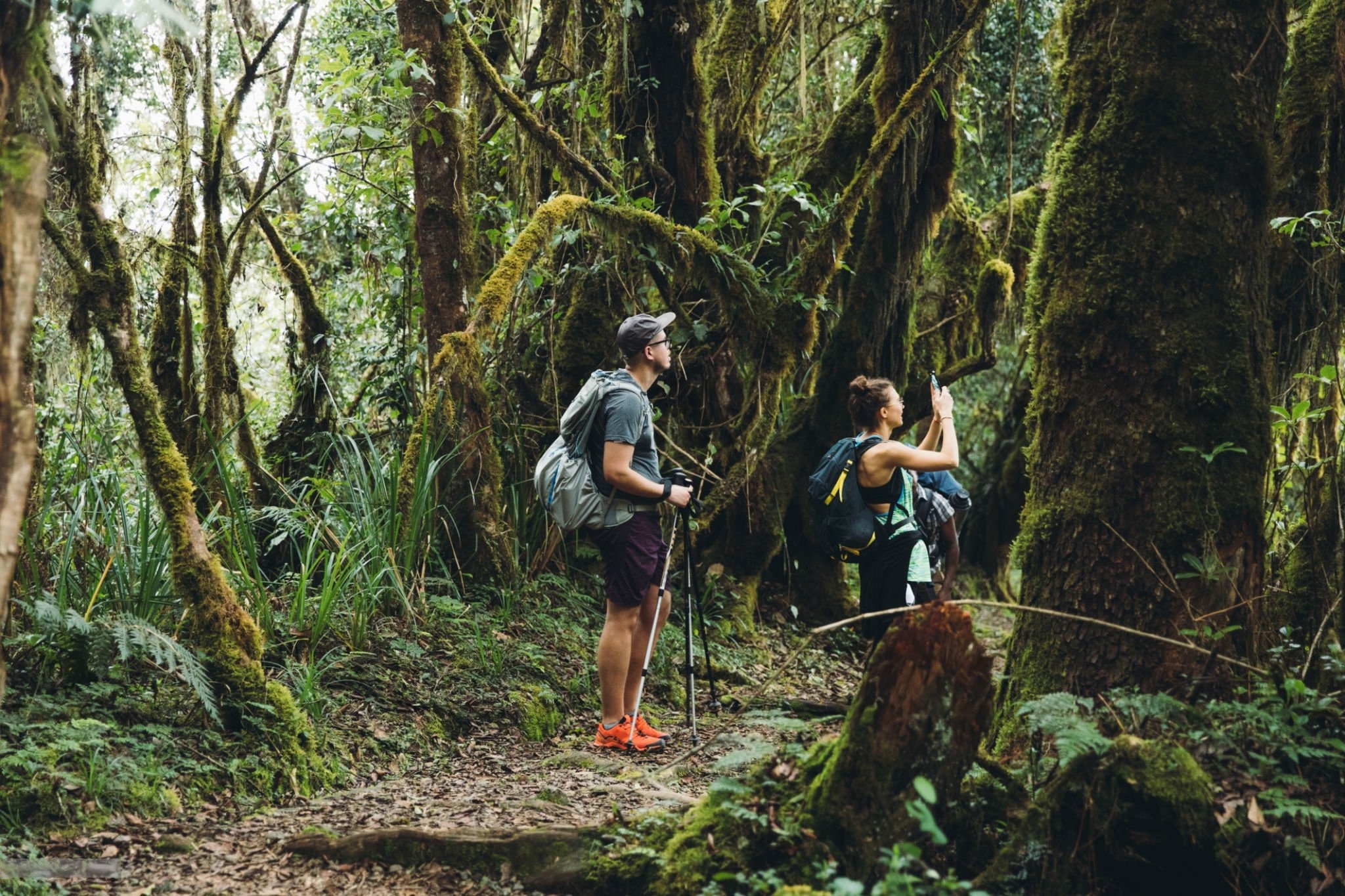
You don't need to climb Kilimanjaro's full 5,895 meters to experience it. The Sneak Peek of the Peak day hike takes the Marangu Route from the base up to Mandara Hut - a…
- All-terrain vehicle with driver (Marangu Gate transfers)
- Professional mountain guide (experienced in Marangu Route)
- Mount Kilimanjaro National Park entrance fees
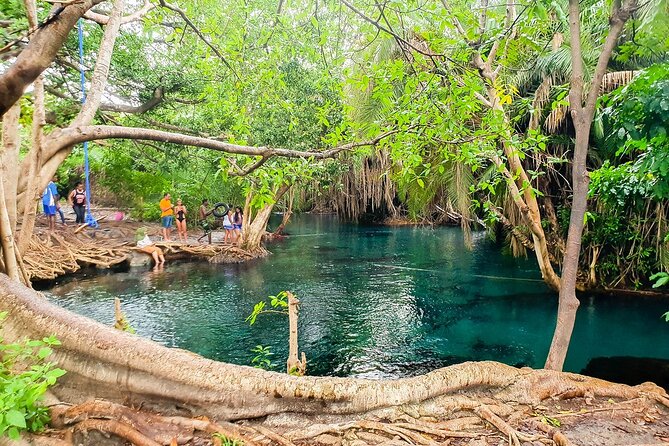
Kikuletwa Hot Springs sits in the middle of African bush - a geothermal oasis where crystal-clear turquoise water stays warm year-round. No resorts. No crowds. Just an off-road…
- Hotel pickup and drop-off (Arusha or Moshi area)
- English-speaking guide and driver
- Vehicle with off-road capability
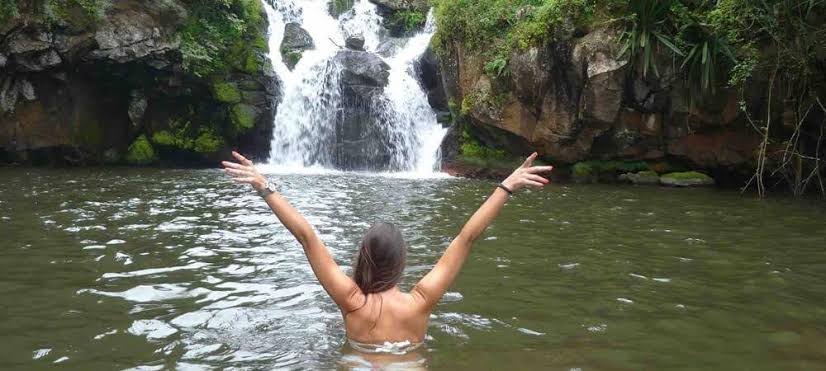
Materuni village sits at the base of Kilimanjaro, 15 kilometers from Moshi. An 80-meter waterfall drops from the forest canopy into a natural pool. After trekking there and…
- Local English-speaking guide (knowledgeable about village and waterfall)
- Waterfall trek (round trip, 40 minutes each way)
- Village entrance fees